House Clearance in London

Clearance London provides house clearance in London for people who need domestic items removed with care, order and a practical plan. The service is centred on clearing rooms, lofts, garages and whole properties in a way that helps households move on, manage inherited belongings or deal with accumulated furniture and general household waste. We keep the focus on the job itself: identifying what should go, what should stay, and what can be reused, recycled or disposed of through the right route.
That makes the service useful for homeowners, landlords, executors and tenants who want a straightforward clearance rather than a loose collection of random items. We can handle single bulky pieces, mixed contents and fuller clearances, with the work shaped around the property and the material involved. If you are comparing options, start by looking at the scope on house clearance and then decide whether you need help with one room, several rooms or a complete clearance.
There are different reasons people arrange a clearance, but the practical aims are usually similar: free up space, remove items that are no longer wanted and leave the property ready for its next step. In that sense, a good clearance service is less about simply carrying things away and more about managing the contents sensibly. Reusability, recycling and safe disposal all matter, and they matter more when the contents include mixed furniture, electricals or general household items that need separating.
Domestic clearance services
Our main domestic work covers house contents of different sizes, from small clear-outs through to complete property clearances. That may include furniture, white goods, bags of mixed household items, bric-a-brac and other unwanted possessions that have built up over time. The aim is to remove only the items you want gone, while leaving the property organised enough for cleaning, sale, letting, refurbishment or handover. We also consider access, stairs and parking so the clearance is handled in a practical order.
Some customers only need help with one space, such as a loft, garage or spare room, while others need a broader service that covers the whole property. If you want to explore related domestic pages, home clearance is useful for general household work, and house clearance covers the broader service family. The exact approach depends on the contents, the layout and how much sorting is needed before items leave the property.
Clearance work is often more effective when the items are grouped sensibly before removal. A brief inventory, a few photos and a note about access can help identify the right vehicle size and the level of labour involved, especially where there are stairs, narrow hallways or heavy objects. If you already know that certain items should be kept aside, it is worth making that clear at the start so the clearance can be planned without confusion. Clarity at the outset usually leads to a smoother visit.
Room-by-room and partial clearances

Not every job is a full property clearance. Many customers only need a loft cleared, a garage emptied, or an unwanted mix of furniture and household items taken from selected rooms. Partial clearances are useful when a property still contains items that are staying, or when a space has become too cluttered for practical use. The work can be tailored to those narrower jobs without losing sight of the same careful handling and disposal standards.
For targeted jobs, related pages such as loft clearance, garage clearance and furniture clearance help show the different types of removal that may be involved. A room-by-room approach also suits properties where access is awkward or where contents need separating before anything is loaded. This can be especially useful when the clearance includes a mix of old storage, broken items and pieces that still have reuse value.
When a clearance is broken into sections, we usually think in terms of practical grouping: items to keep, items to remove, and anything needing special handling. That makes it easier to avoid unnecessary lifting and helps prevent mistakes where something useful gets carried out with waste. A partial clearance can be a good choice when the property is occupied, when works are being phased, or when you only want a specific area restored to usable order.
Furniture, bulky items and household contents
Large household items often make a clearance feel more complex than it really is. Sofas, wardrobes, beds, tables, chairs, mattresses and other bulky pieces need moving safely, especially when they have to pass through narrow halls or down staircases. We also deal with mixed contents where the furniture is only one part of the job, because many clearances combine larger items with bags, small household goods and general rubbish. The service is designed to manage those combinations in a sensible sequence.
If your clearance centres on large pieces rather than a whole property, pages such as sofa removal, mattress disposal and large item collection describe the type of work commonly involved. Furniture can often be sorted for reuse, disassembled where necessary or moved as a complete item if access allows. We work with the shape and weight of the contents rather than assuming every item can be handled in the same way.
Household contents clearances are also useful where the items are varied, not just heavy. You may have a mix of ornaments, boxes, clothing, kitchen pieces and older furniture that all needs removing together. In those cases, the job is less about any one object and more about understanding how the contents fit together. A measured approach reduces disruption and helps ensure the right items are taken away first, especially when space is limited.
Waste, recycling and disposal routes
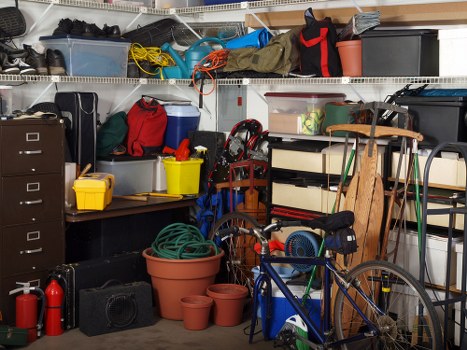
House clearance is closely linked to waste handling, but the two are not always identical. Some items are suitable for reuse, some for recycling and some for disposal, so the service has to separate those streams properly. That is particularly relevant when a clearance includes mixed furniture, general household junk, electrical items or objects that have reached the end of their useful life. The goal is to keep the process orderly and avoid treating everything as the same kind of waste.
Relevant supporting pages such as waste disposal, waste recycling and recycling and sustainability reflect the different routes that can apply after collection. Where possible, items should be directed to the right route for their condition and material type. That may involve separating recyclable materials, identifying reusable household items or handling waste in line with its disposal category. These choices are part of what makes a clearance service more than a simple load-and-go job.
Responsible sorting is especially useful for larger clearances, because the contents of a home can range from good-condition furniture to damaged or obsolete items. A sensible clearance does not assume that every item belongs in the same pile. Instead, it recognises that some pieces have value for reuse while others need to be removed as waste. That distinction helps customers feel more confident that the clearance has been handled properly and proportionately.
Price factors and quotation details
Clearance pricing usually depends on the amount and type of material, the labour required, and the access involved at the property. A single bulky item is different from a full house clearance, and a ground-floor job is different from one that involves stairs, long carries or awkward parking. The quantity of furniture, the presence of heavy items and the need for sorting can all influence the overall cost because they affect the time and resources needed to complete the work.
If you are comparing options, it helps to know that a quote is easier to prepare when the scope is clear. You do not need to over-explain the job, but a short description of the rooms involved, a few photographs and an indication of anything especially heavy can help provide a more accurate estimate. For anyone looking for a structured pricing route, pricing and quotes is the most relevant page to review before making contact.
Two brief steps normally make the process easier: first, identify what should be removed and what should remain; second, note anything that could affect the clearance on the day, such as stair access, basement storage or lift restrictions. Those details do not need to be exhaustive, but they do need to be sensible. If you are ready to compare a clearance against a specific budget, ask for a quotation once the scope is clear.
Property types and clearance planning
Different properties bring different practical considerations. A compact flat may require more careful carrying and staging, while a larger house might involve several floors, loft storage and outbuildings. Clearance planning should reflect those differences instead of assuming a one-size-fits-all method. Where a property is partly furnished or still occupied, the work needs to be carried out with even more attention to what stays in place and what is due to leave the property.
For households and owners who want a service matched to the property type, the page set includes flat clearance, property clearance and house clearances. These pages help distinguish between lighter domestic work and more comprehensive removals. Planning matters because the same amount of waste can feel very different depending on the layout, the access points and the number of rooms involved in the job.
Where a property includes both loose waste and retained furniture, the cleaner result usually comes from deciding the order of removal in advance. Heavier items may need to come out first, or smaller items may need clearing to create space for larger ones. Either way, the objective is the same: to complete the clearance in a controlled manner. That avoids unnecessary disruption and helps the remaining areas stay usable during the process.
About London
London is a large and historically layered city shaped by the River Thames, whose curve and crossings have influenced movement, settlement and trade for centuries. Its character comes from the meeting of old and new: Roman origins, medieval street patterns in parts of the City, Georgian terraces, Victorian civic buildings, post-war estates and contemporary towers all sit within the same metropolitan fabric. The city is made up of many distinct districts, each with its own streetscape and cultural associations, from the formal squares and ceremonial spaces of Westminster to the busy markets, canals and railway corridors that thread through inner boroughs. Landmarks such as the Tower of London, St Paul’s Cathedral, the Houses of Parliament, the British Museum and the South Bank show the range of architecture and public life found here, while green spaces including Hyde Park, Regent’s Park and Hampstead Heath provide a counterpoint to the density of the urban core. The river remains a defining feature, crossed by a network of bridges and edged by walkways, wharves and regenerated waterfronts. London’s transport system, from Underground lines to mainline stations and buses, connects neighbourhoods that often feel like separate towns, yet all form part of the same city. Cultural life is equally varied, with theatres in the West End, galleries, concert halls, museums, historic pubs, churches, squares and local high streets supporting a city that has long been a centre of politics, finance, migration and creative work.
Specialist domestic situations
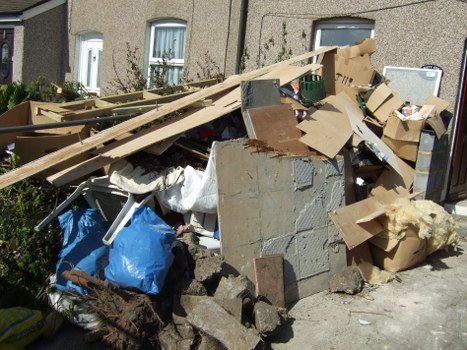
Some clearances call for added sensitivity rather than simply more lifting. Probate clearances, for example, often involve a careful approach to family belongings, furniture and household contents that need sorting before anything leaves the property. In other homes, the main challenge may be accumulated items in a loft, a storage room or a long-unused garage. These situations benefit from a methodical plan so that the clearance is handled respectfully and without unnecessary pressure.
Relevant supporting pages include probate clearance, probate house clearance and hoarder clearance. Each suggests a different emphasis within the same overall service family: the need for sorting, judgement and proportionate removal. A hoarder clearance in particular may involve a larger volume of mixed material, but the principle remains the same as any domestic clearance - understand the contents first, then remove them in a structured way.
Where belongings have been kept for years, it is easy for a room to contain a mixture of sentimental items, genuinely reusable household goods and things that are simply no longer wanted. That is why careful handling matters. A good clearance process does not force all contents into the same category. Instead, it allows for distinctions between what should be retained, what may be reused and what should leave as waste. That distinction helps the property move forward with less confusion.
Supporting services and item-specific removal
Some customers already know the exact type of item they want removed. In those cases, item-specific pages can help identify the right service before a broader clearance is arranged. Furniture removal, sofa removal and fridge disposal are all common examples of narrower tasks that can sit alongside a fuller house clearance. This is useful when one or two large objects are blocking a room, or when a property only has a handful of bulky items left to move.
Useful references include furniture removal and collection, fridge disposal and white goods recycle. These pages reflect the fact that not every removal is identical: some items are awkward to carry, some need special handling because of their material or construction, and some require consideration of recycling routes. If the job starts with one item and grows into a larger clearance, it is still the same broad service family.
A practical quotation is often easier when customers can say whether they need a single-item removal or a more complete contents clearance. That distinction matters because the time, labour and vehicle space involved can be very different. It also helps to know whether items are in good condition, partly dismantled or already bagged. A clear scope means the service can be matched more accurately to the real work involved.
What to prepare before requesting a quote

A clear request does not need to be long. The most useful details are usually the type of property, the rooms involved, the main items to be removed and any access issues that could affect the work. If you can mention whether the clearance is partial or complete, that also helps. A concise description is often better than a long message because it keeps the scope focused on the actual job rather than on unnecessary background.
These simple points are usually enough to start: whether there are stairs, whether heavy furniture is included, and whether some items need to stay in the property. If photographs are available, they can help us understand the volume and arrangement of the contents. A sensible quote request should also note any unusual restrictions, such as limited parking or shared access, because those practical details may influence how the clearance is organised.
When you are ready, request a quotation and describe the work as plainly as you can. If you prefer to review the service route first, the most relevant page is contact us, where you can move from initial planning to a proper enquiry. Clear information at the start helps keep the clearance efficient, accurate and suited to the property.